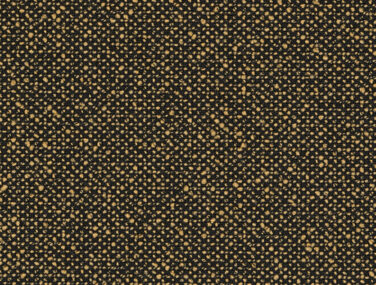
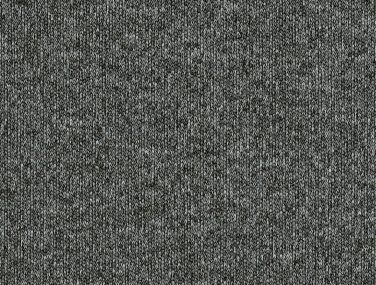
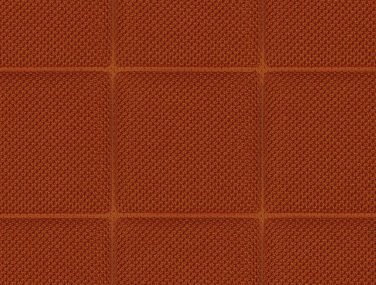
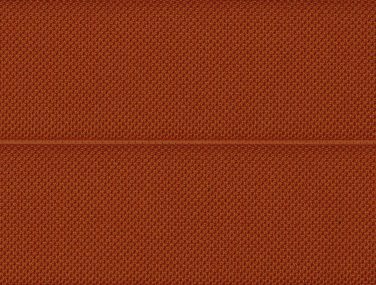
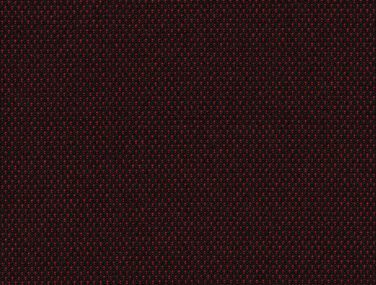
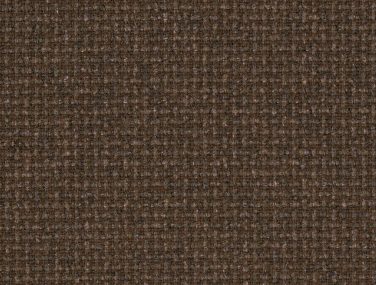
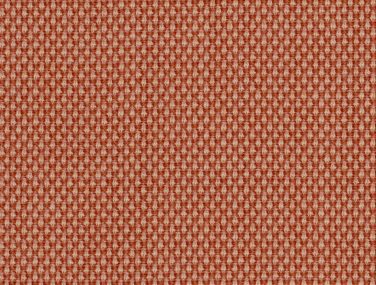
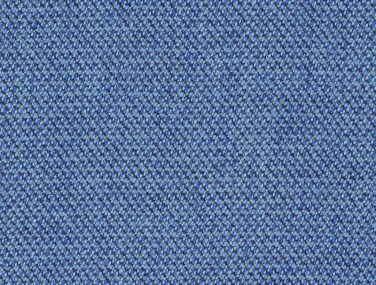
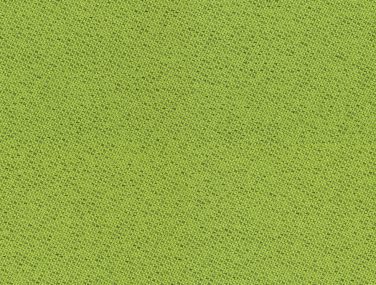
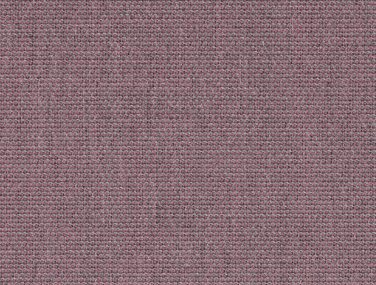
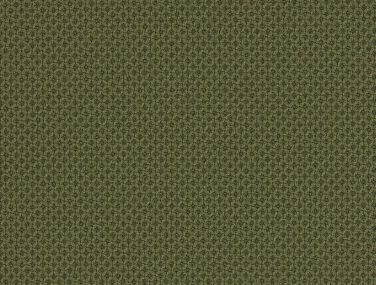
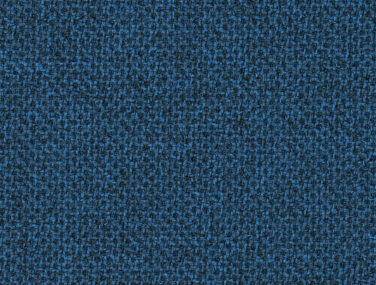
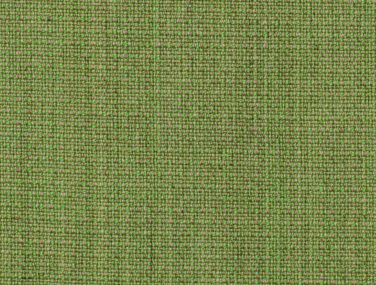
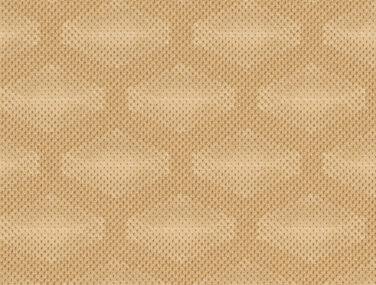
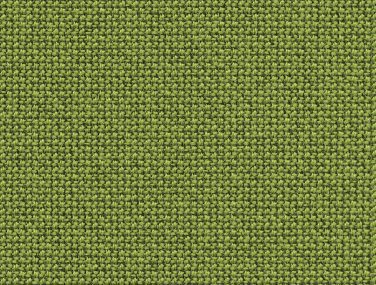
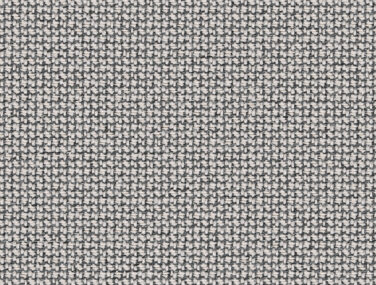
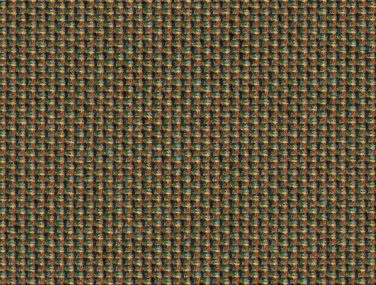
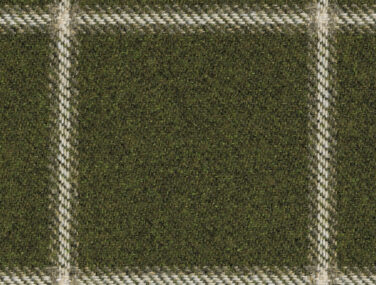
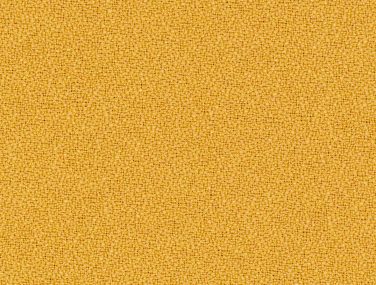
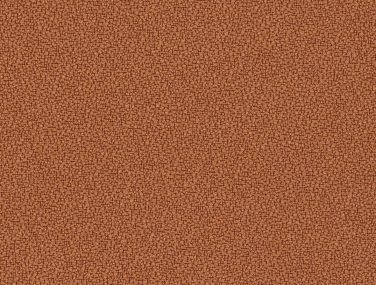
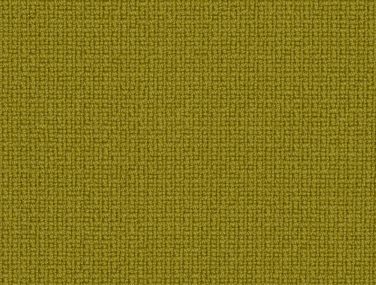
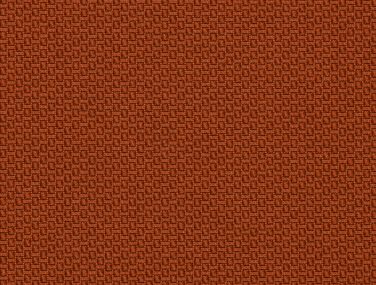
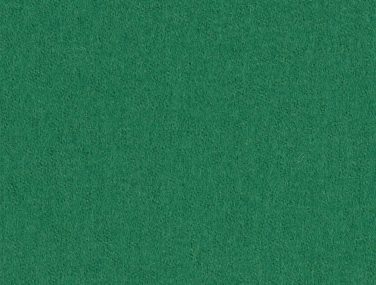
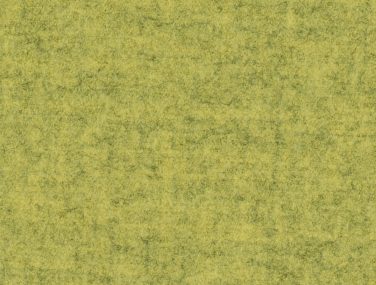
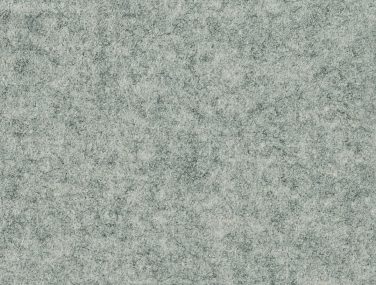
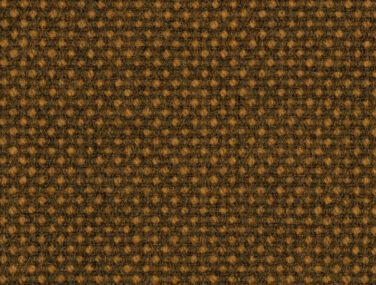
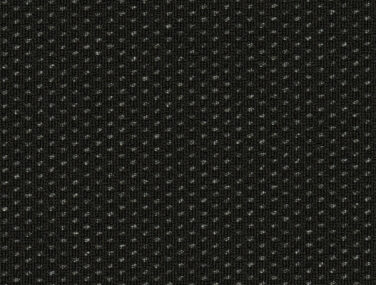
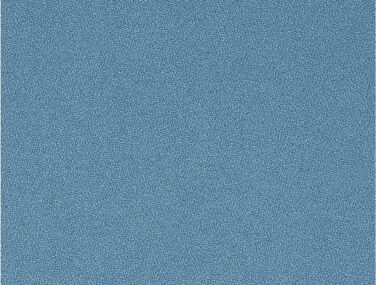
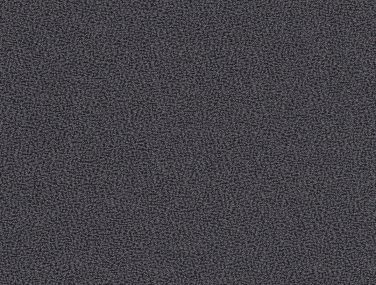
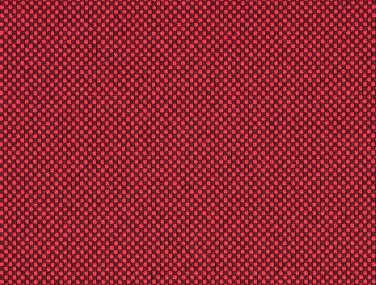
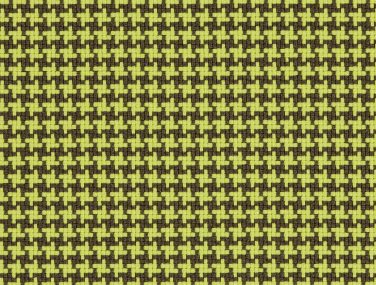
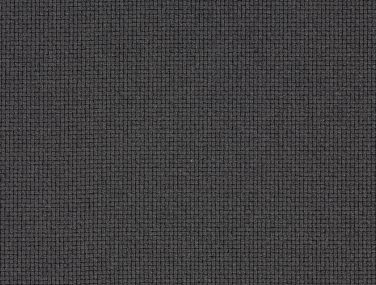
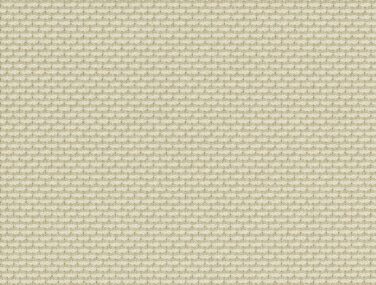
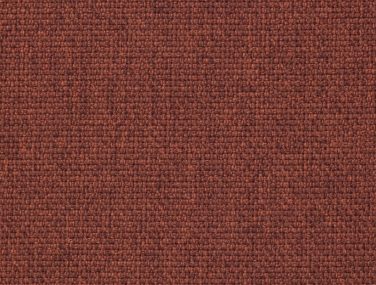
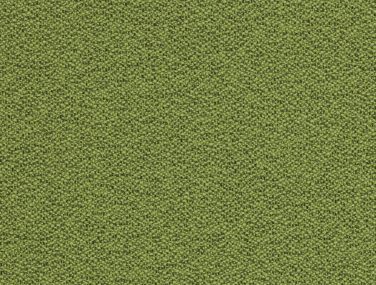
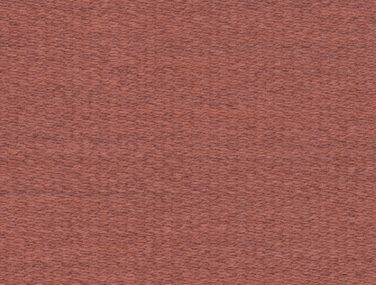
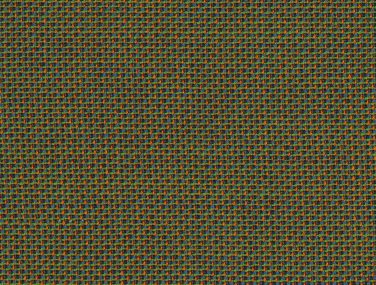
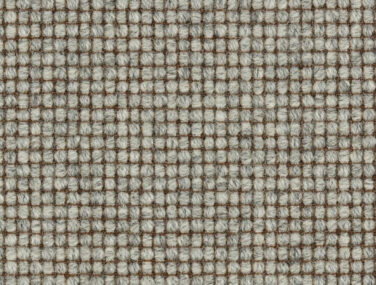
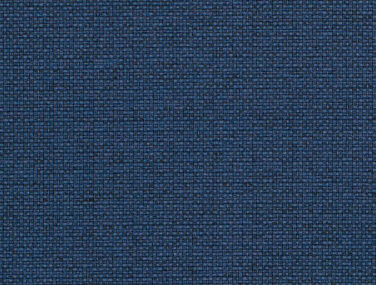
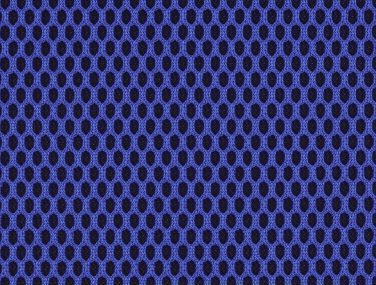
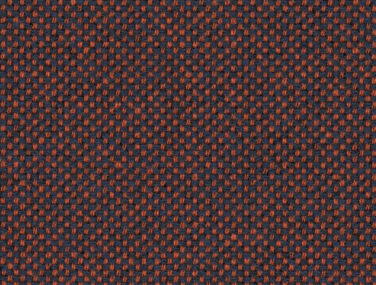
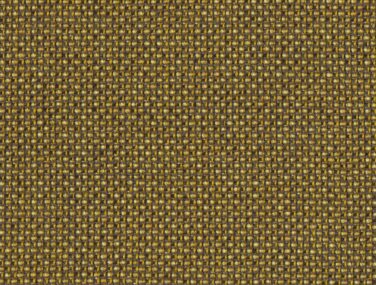
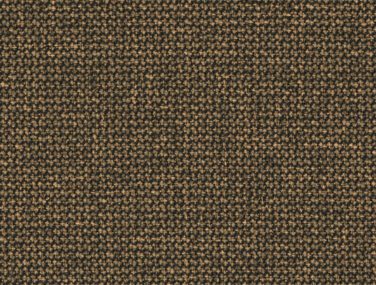
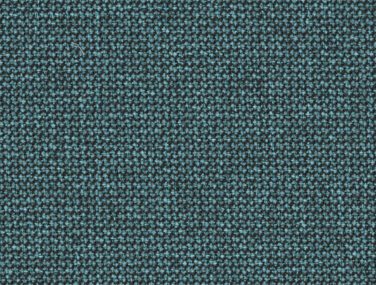
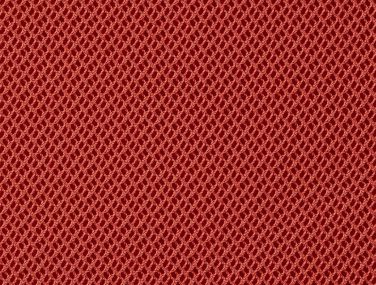
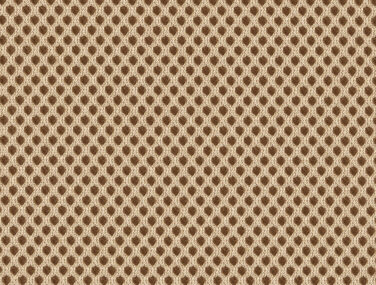
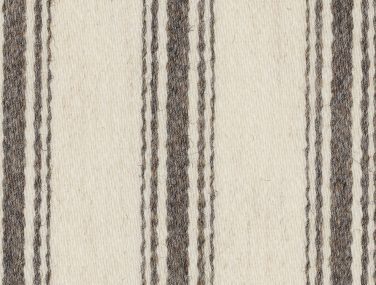
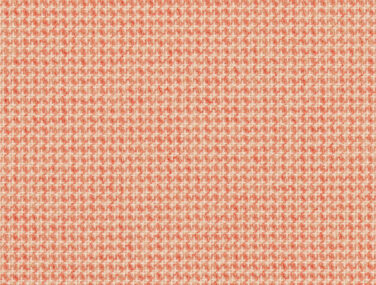
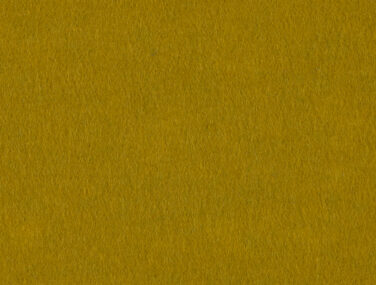
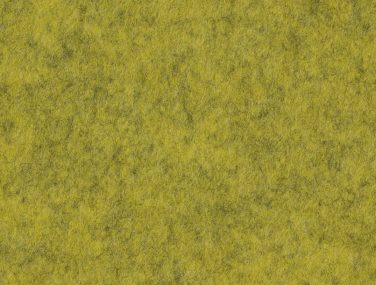
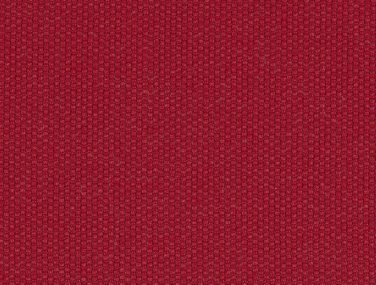
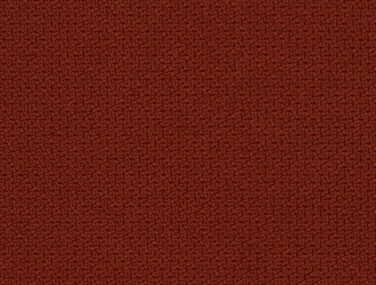
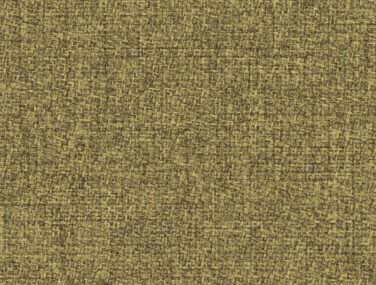
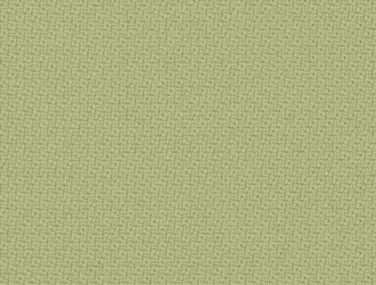
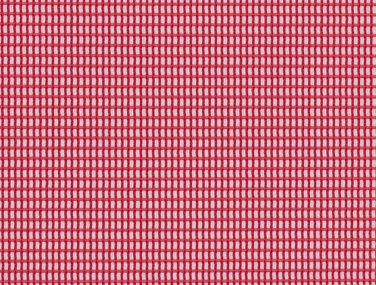
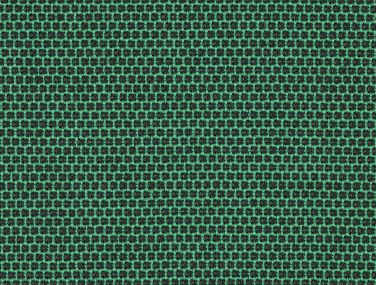
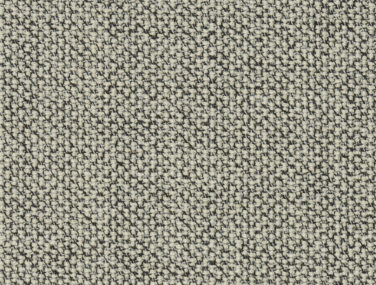
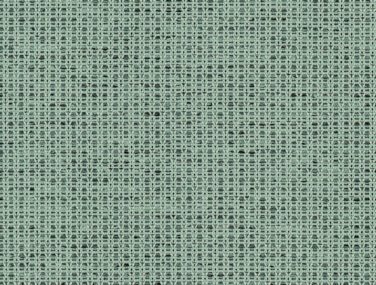
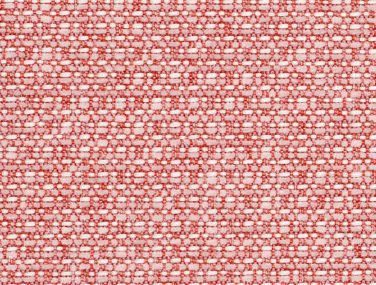
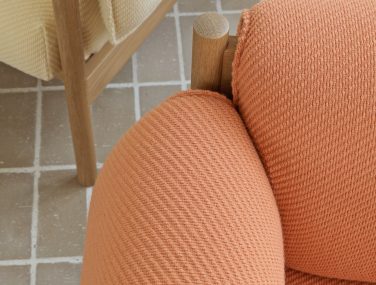
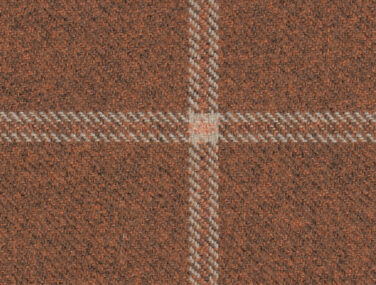
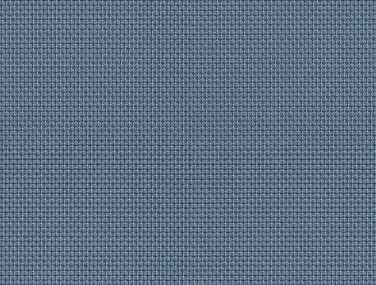
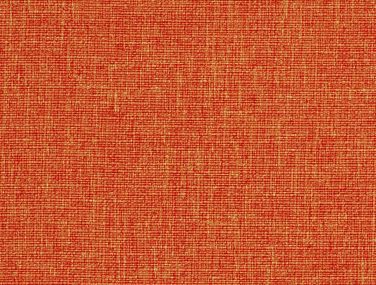
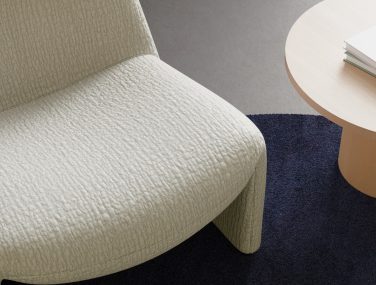
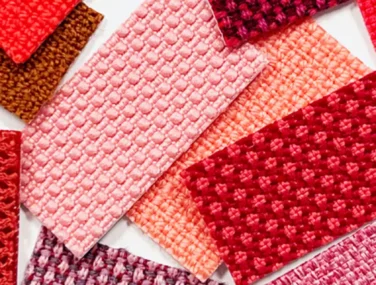
Gabriel upholstery and panel fabric, woven and knitted in Denmark
Hume Internationale has been Gabriel's appointed distributor in Australia and New Zealand since 2016. Gabriel has woven upholstery fabric in Aalborg, Denmark since 1851, when the company started as a woollen mill on a stream at the edge of the town. It still weaves there.
What Gabriel makes
Upholstery fabric and panel fabric, and the same cloths do both. Gabriel weave, knit, emboss and laminate in their own plant rather than buying those operations in, which is the reason the range reaches constructions most upholstery mills do not attempt.
Why the knitted constructions matter
A woven fabric goes around a curve by being cut and seamed. A knitted one stretches to it. On moulded seating, tightly curved backs and anything upholstered over a three dimensional shell, the knit goes on in one piece where a woven has to be pieced, and it holds its shape afterwards rather than bagging where it was stretched furthest. It is also why these cloths turn up in marine and transport interiors, where the shapes are tight and the covering has to be tested as well as fitted.
Wool
Gabriel began as a wool house and much of the range still runs on wool or a wool blend. Wool recovers: it takes a compression and comes back, which is what keeps a seat reading as upholstered rather than as sat in. It holds dye deeply, so colour has depth instead of sitting on the surface. It absorbs and releases moisture, which is most of what people mean when they say a fabric is comfortable to sit on. And it resists soiling, because the fibre surface sheds rather than grips. Synthetic blends are used where abrasion or cleaning demands them, and the blend is stated on every range.
The EU Ecolabel
Gabriel was the first upholstery fabric manufacturer in the world to be awarded the EU Ecolabel, in 2002. The label is assessed across the whole life of the product rather than on one property: pesticide residues in the raw fibre, the use and emission of hazardous chemicals during production, and the quantity of hazardous substances and heavy metals in the finished cloth. It is a production standard rather than a performance one, which is why it answers a different question from the technical data and why both get asked.
Panel and acoustic
The same fabric that covers a chair covers a panel, and for a panel the requirement inverts. The cloth has to be acoustically transparent so sound passes through it into the absorber behind, which rules out the tight constructions and the heavy backings that suit seating. Where a project needs one fabric reading consistently across seating, screens and wall panels, that is the problem this range is built for.
Every range this mill makes is available. If what you need is not shown, ask.