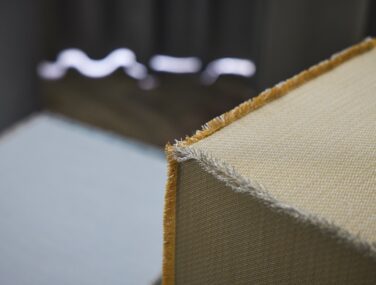
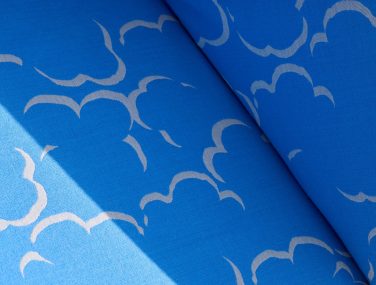
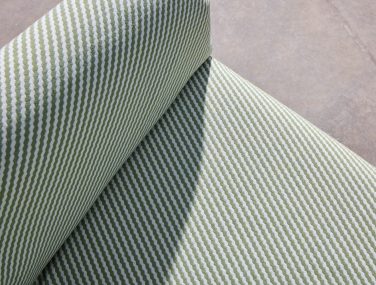
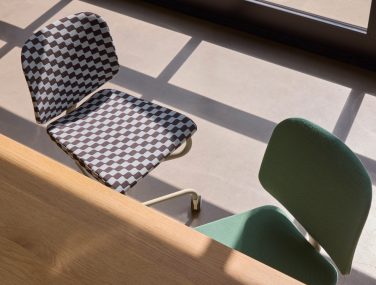
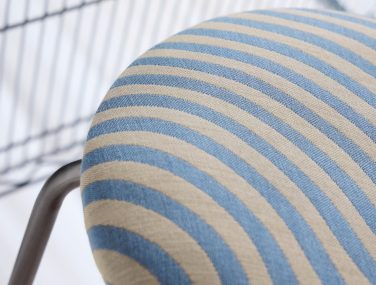
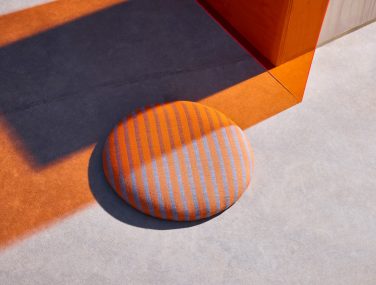
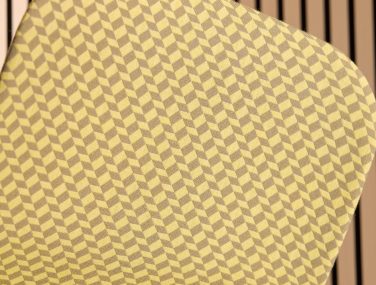
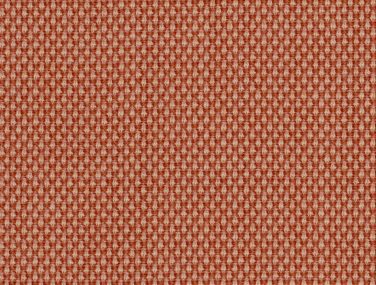
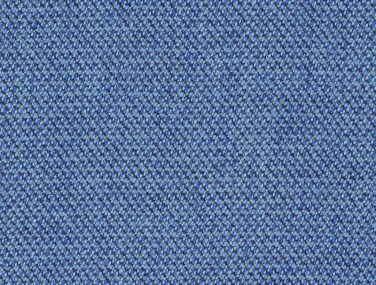
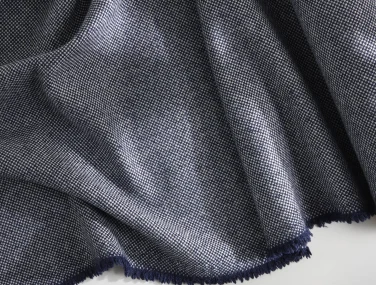
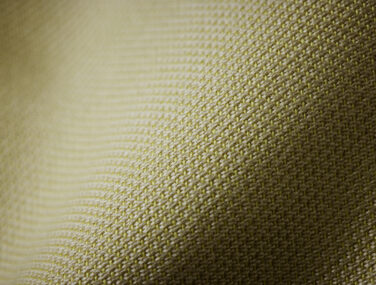
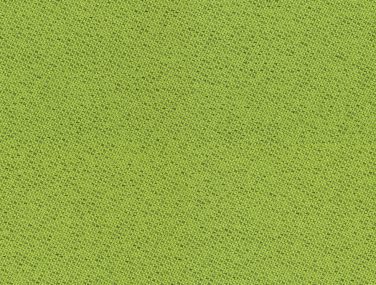
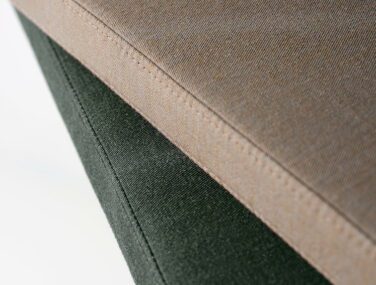
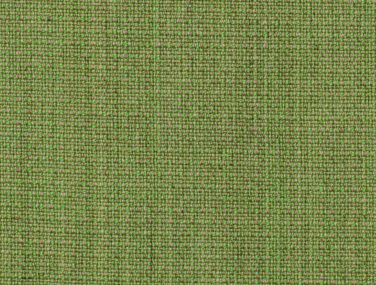
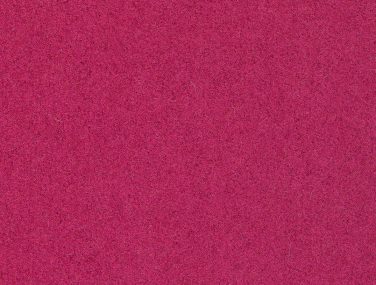
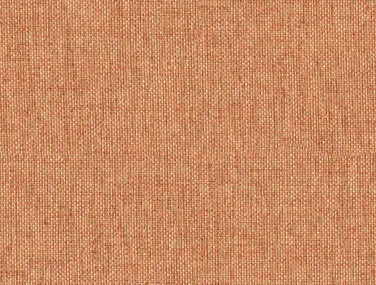
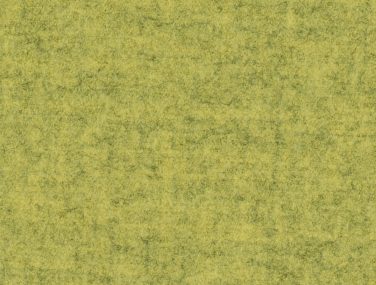
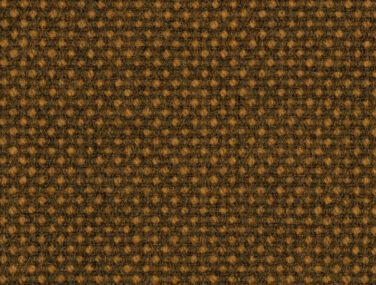
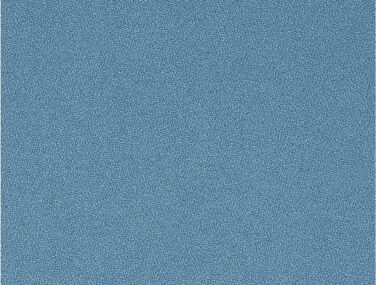
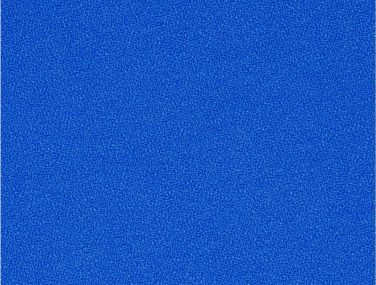
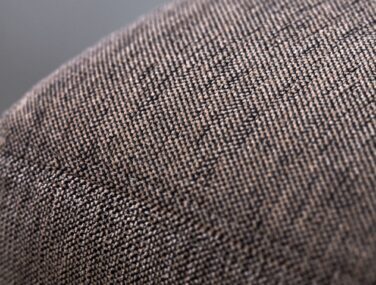
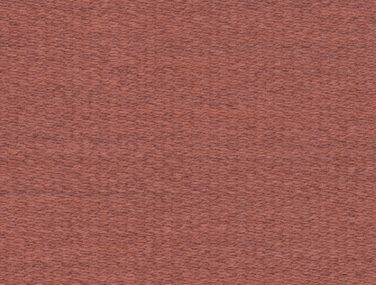
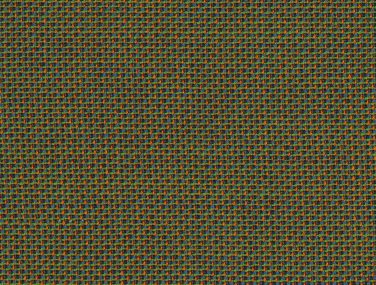
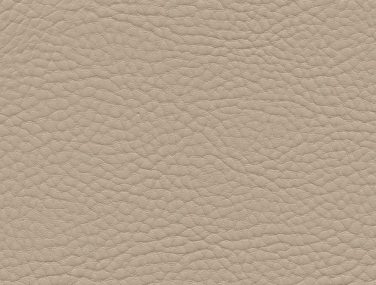
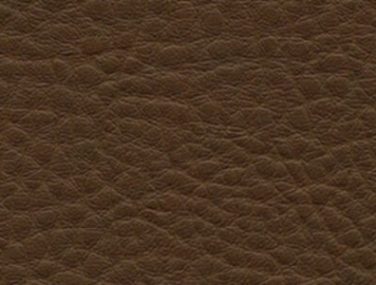
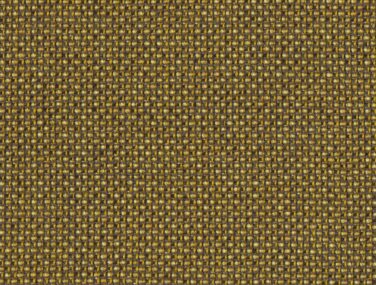
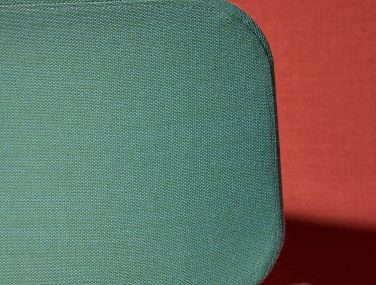
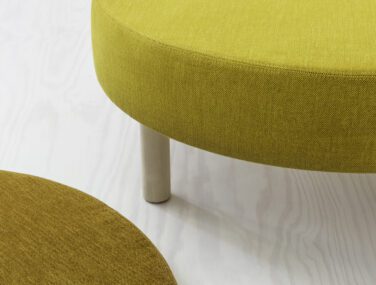
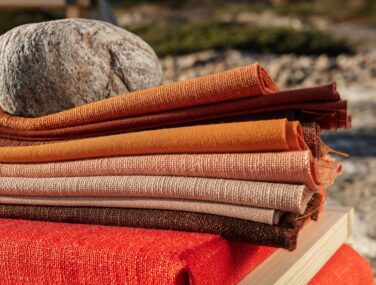
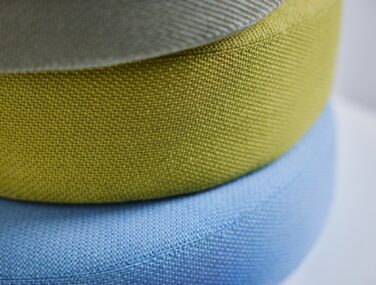
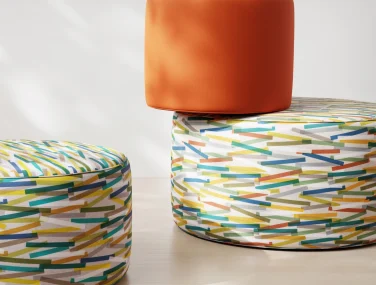
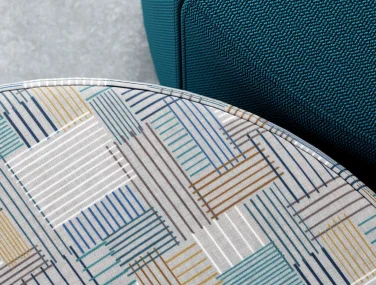
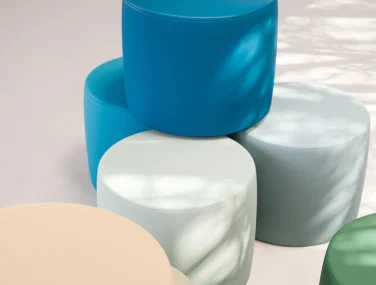
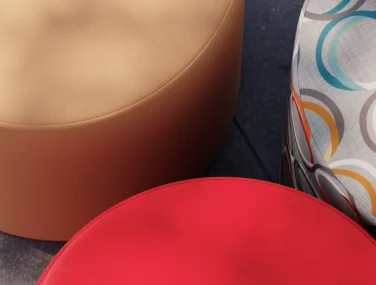
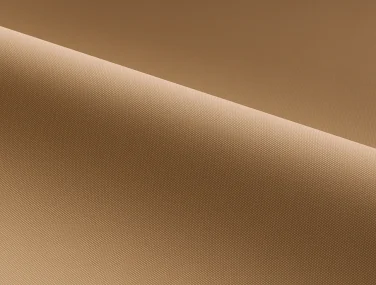
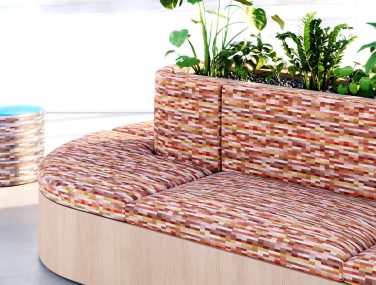
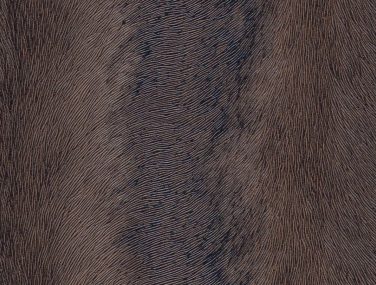
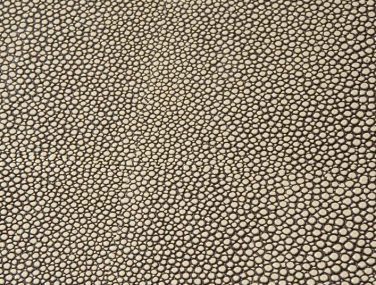
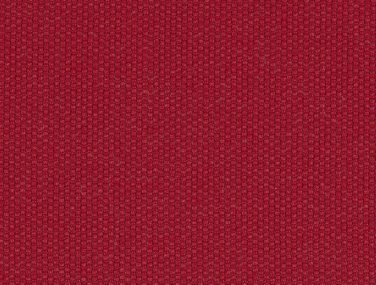
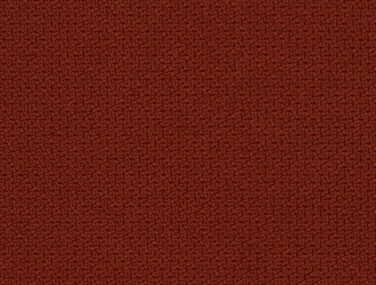
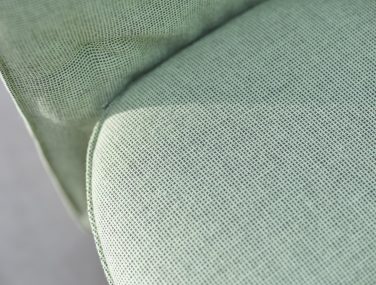
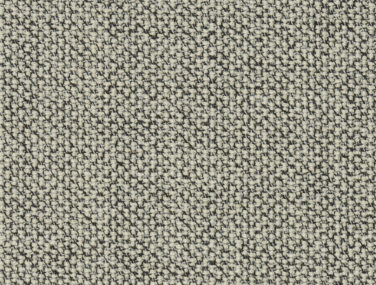
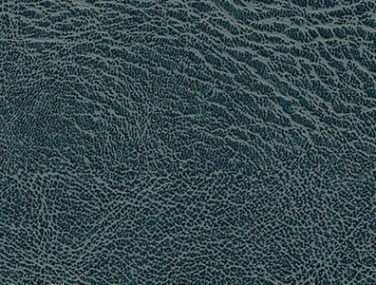
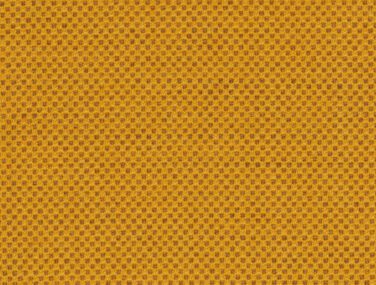
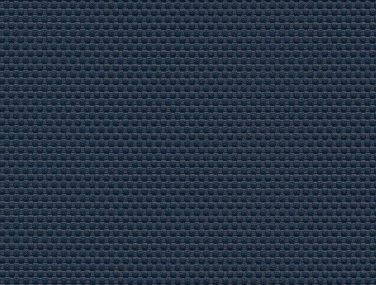
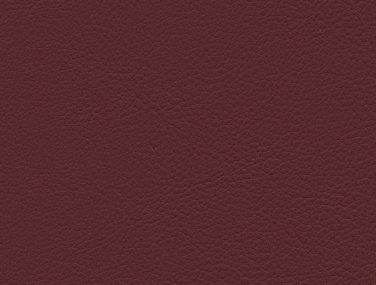
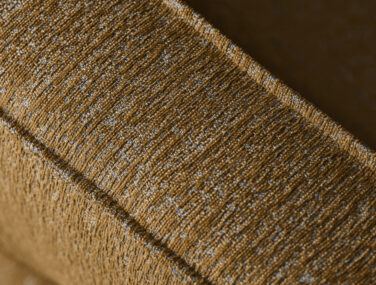
Marine upholstery fabric, IMO certified
Marine upholstery is certified to Part 8 of the 2010 IMO Fire Test Procedures Code. Part 8 tests upholstered seating where the seat meets the back, against a smouldering cigarette and against a small gas flame similar to a burning match. It records whether the seating is still smouldering an hour after the cigarette is placed, and whether it is still burning two minutes after the flame is removed.
How upholstery meets Part 8 depends on the material. Wool resists flame naturally. In an inherently flame-retardant polyester the flame retardancy is built into the fibre, and in vinyl it is carried in the coating. We supply upholstery fabric and vinyl certified to Part 8, and the certificate is held range by range.
Every range these mills make is available. If what you need is not shown, ask.