Bio-based upholstery fabric: the highest numbers are on the plainest cloth

Bio-based content on a seat is measured the way it is measured on a wall: as a proportion of new organic carbon against total organic carbon, by radiocarbon analysis under ASTM D6866. What changes on upholstery is how far apart the answers sit.
The number tracks the raw material, not the technology
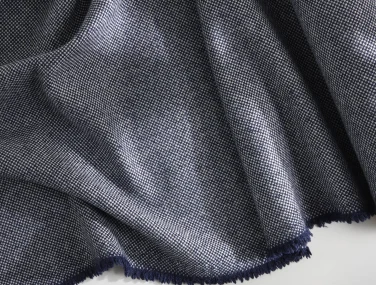
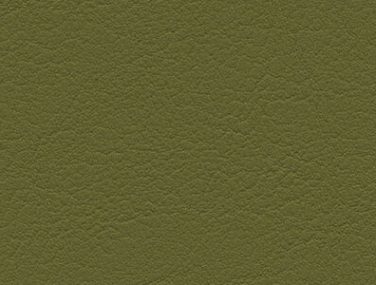
The number runs the opposite way to expectation. A plain wool cloth tests at or near 100 per cent, because wool is carbon that came out of a plant by way of an animal and there is nothing else in it. A wool blend carrying a nylon component for abrasion tests around 70. An engineered polyurethane made from plant feedstock, which is the material the category is usually marketed on, tests around 12. The oldest material in the room carries the highest number, by a factor of eight.
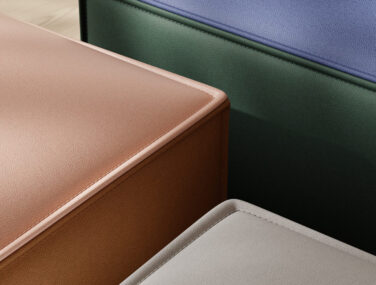
That is not an argument against the engineered route. A coated upholstery is a backing cloth, a polymer layer and a topcoat, and it does things a woven wool cannot: a fluid barrier, a wipe-clean face, tolerance of hospital-grade disinfectant. It is an argument against reading the percentage as a ranking of anything other than itself.
Two different numbers travel under the same word
One is a test result, carbon measured in the finished material. The other is an input calculation, the proportion by mass of renewable raw material fed into the formulation, stated by the maker and not verified by a carbon test. The second is usually the larger of the two. They are not comparable, and a specification that receives both without asking which is which has compared nothing. Ask for the test method alongside the figure.
What the percentage does not tell you
None of it says how the fabric performs. Abrasion, cleanability, fluid barrier and fire rating are separate properties with separate tests, and the bio-based figure predicts none of them. A seat is cleaned more often and more harshly than a wall, so the distinction matters more here than anywhere else in a building.
The backing
The backing is worth asking about on its own. It is structural, it is often where the moisture barrier sits, and it is not always made from the same material as the face, so it can carry a different figure or none at all.
Three questions, in order
What is the verified percentage, and which test produced it. What is the backing. And what does the cloth do under the tests the project actually specifies.
Every range these mills make is available. If what you need is not shown, ask.