Commercial upholstery leather: grain, finish and what a hide yields
Leather is specified differently from everything else on a project, and the difference starts before performance. Fabric is bought by the lineal metre from a roll of known width. Leather is bought by area, from a hide whose shape is whatever the animal was.
How leather is measured, and what a hide yields
The working conversion across the trade is that a lineal metre of 137cm fabric is replaced by roughly 1.8 square metres of leather. A lineal metre of 137cm cloth is only 1.37 square metres. That gap of about a third is not a rounding error. It is the waste a hide forces on you, and it is built into the rule of thumb because it is unavoidable.
Yield is the number that decides the order. A hide runs between about 1.7 and 6 square metres depending on the animal and the type, and a cutter will place 75 to 85 per cent of it into the job. On a full aniline leather, where nothing has been done to disguise the animal's history, yield can fall to 65 to 75 per cent, because more of the hide carries marks a fabricator will cut around. Ordering leather as though it were fabric under-orders it every time.
Grain: full grain, top grain and corrected
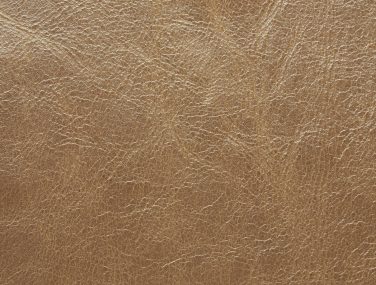
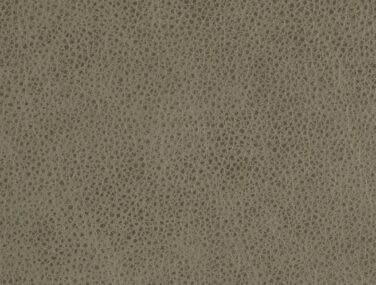
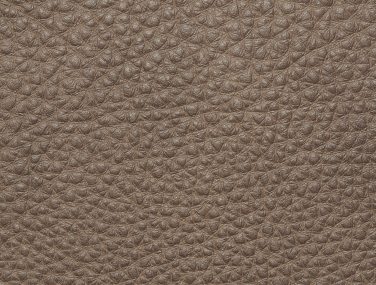
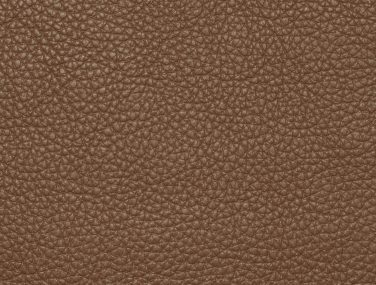
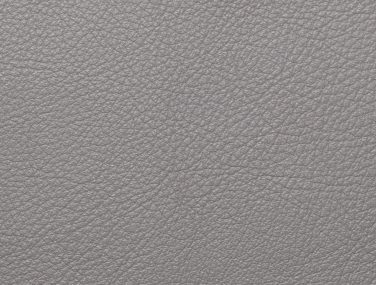
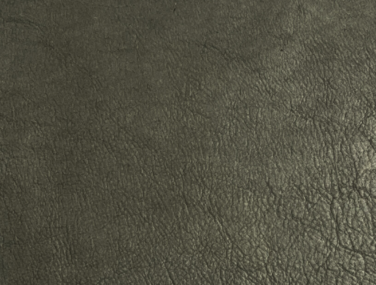
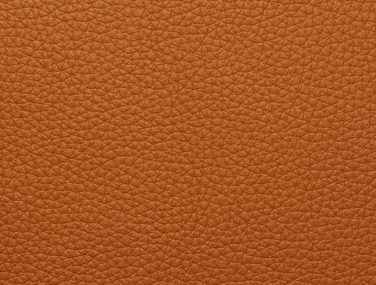
Grain is the first specification and it is where most of the confusion sits. The outer surface of a hide, the grain layer, is the strongest part of it and also the part carrying every scar, wrinkle and bite the animal collected. Full grain keeps that layer intact. Corrected grain has had it buffed back and a new surface embossed on, which removes the marks and removes the strength with them. Top grain sits between the two, and the term is used loosely enough that it is worth asking a supplier which one they mean. The distinction is not aesthetic. It sets how the leather wears, how it ages, and whether the surface can be repaired.
Finish: aniline, semi-aniline and pigmented
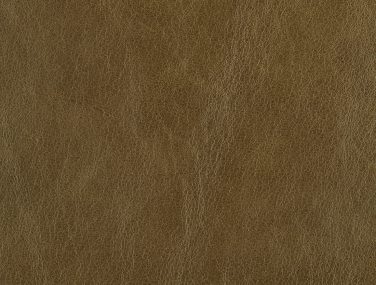
Finish is the second specification and it trades appearance against protection. Full aniline is dyed through with no pigment on the surface, so the hide reads as a hide: grain visible, colour with depth, every mark in the room with you. It also soils, stains and fades faster than anything else described here. Pigmented leather carries an opaque surface coat, which gives uniform colour and a cleanable face and conceals the grain doing it. Semi-aniline is the middle position most commercial work lands on, a light pigment over an aniline base, keeping most of the character and adding most of the protection.
Natural markings and batch variation
What the hide brings with it is not a defect. Neck wrinkles, fat wrinkles, healed scars and the line of the backbone are characteristics of the material, and on an aniline leather they are the reason to have specified it. They also mean colour and thickness vary between production runs, and that exact matching on a later order cannot be promised. A project being delivered in stages should be told this at specification rather than at delivery.
Durability, and the tests behind it
Durability is tested and the tests have names. Abrasion under ISO 17076 is how long the surface lasts under repeated contact. Flex under ISO 5402 is whether the finish cracks where the leather folds, at a seat front or a cushion edge. Colour fastness to rubbing under ISO 11640 is whether colour lifts where a hand or a sleeve passes over it, and to light under ISO 105-B02 is whether it fades at a window. Tear and tensile strength under ISO 3377 and ISO 3376 are what the hide will take during fabrication. Thickness is ISO 2589. Fire is one more of them, tested to AS 1530.3 on upholstery as it is on every other surface in the building.
Cleaning, and why it should choose the finish
Cleaning is where commercial leather is usually lost. Solvents, saddle soaps, abrasives and products at the wrong pH all damage the surface, and on an aniline leather the damage is permanent because there is no coating between the cleaner and the hide. Where a cleaning regime is already fixed, and in healthcare and hospitality it usually is, the regime should choose the finish rather than the other way round.
Every range these tanneries make is available. If what you need is not shown, ask.