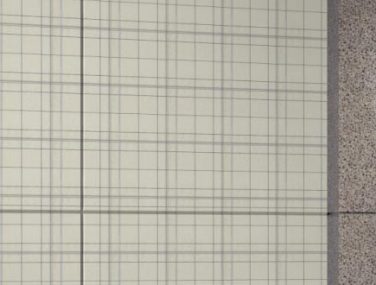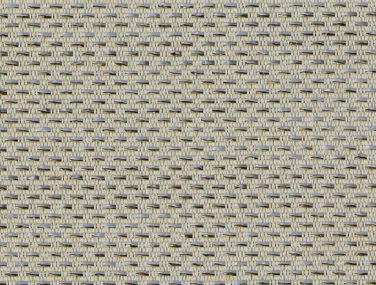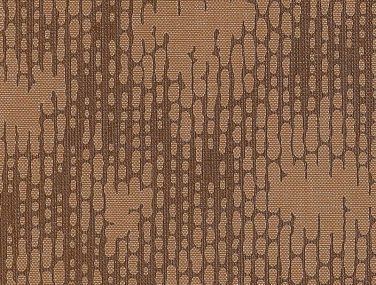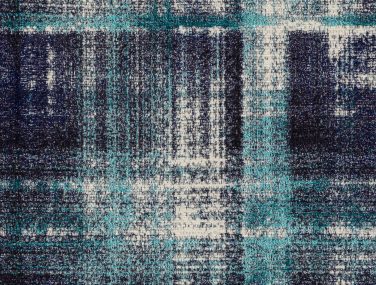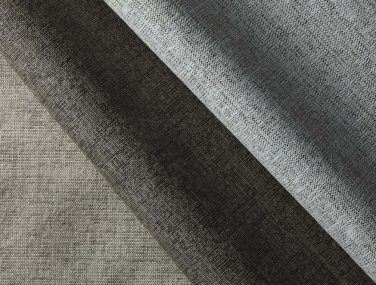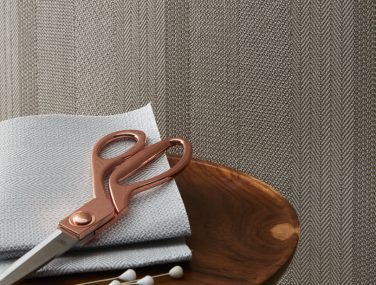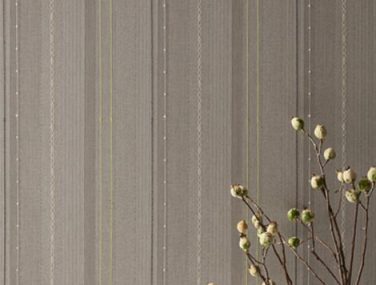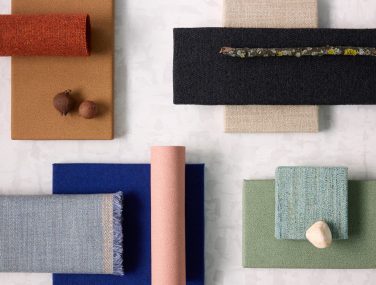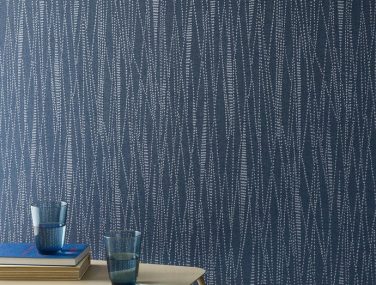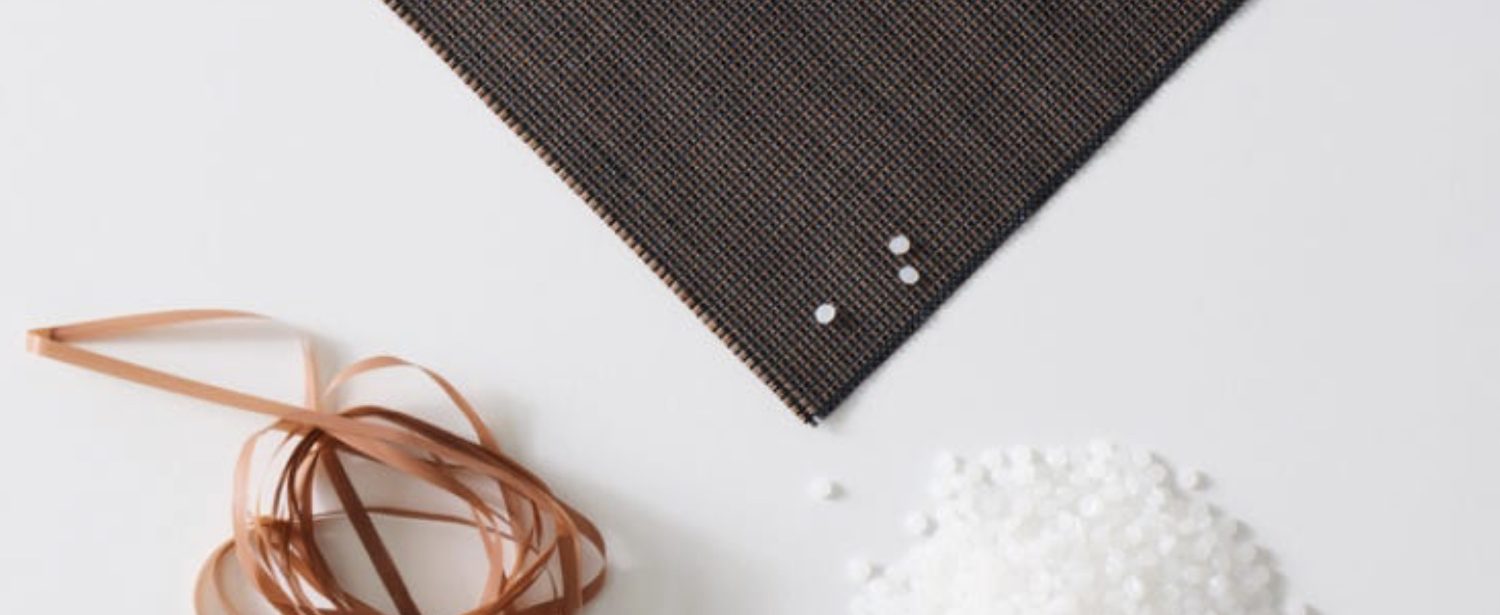
Xorel bio-based textile for walls, panels and upholstery
Xorel is a Carnegie textile, first made in 1981 from a strong polyethylene yarn developed for industrial use. In 2013 Carnegie introduced Biobased Xorel, made from sugarcane. Carnegie record Xorel as the first wallcovering certified Cradle to Cradle Silver, in 2007, and Gold, in 2013. It is made in jacquard and handwoven constructions, and finished with embossing, embroidery, printed graphics and appliqué.
Xorel wallcovering, panel fabric and upholstery
Xorel is backed to suit where it goes. As a wallcovering it carries X-Protect Wall, which stops stains and moisture passing through the face to the wall while letting moisture vapour escape from the wall cavity. Unbacked, it is acoustically transparent on acoustic panels, and tackable and dimensionally stable on pinboard panels. As upholstery it carries X-Protect Sit, a backing that resists stains and moisture.
Bleach cleanable and solution dyed
Xorel is designed for routine and rigorous cleaning, including water, solvent cleaners, diluted bleach up to 40 per cent and select hospital-grade disinfectants. Its solution-dyed yarns hold their colour through cleaning, light and daily wear. On upholstery it performs up to a million double rubs on the Wyzenbeek abrasion test. Where Australian fire data is needed on a Xorel fabric, we commission the testing and hold the reports.
Every range this mill makes is available. If what you need is not shown, ask.