The sounds around us affect how we think and feel – and are so much more than measurable metrics. Designing sounds is about wholeness and meaning rather than decibels and noise absorption. It's a world where sounds exist for a reason, and where visual design is a natural part of the acoustic environment.
How we work and where we do it are undergoing constant change. This is often reflected in the emerging office environments, today characterised by increasingly open office layouts. Common justifications for these open solutions include greater opportunities for spontaneous meetings, natural collaborations, and increased knowledge sharing.
However, one of the biggest challenges open-plan layouts bring is not discussed, as much – the acoustic environment.
Design needs to encompass the acoustic environment
We need to start seeing, feeling AND listening to realise if it sounds good. Martin Ljungdahl Eriksson
Reducing noise levels is part of creating a good acoustic environment, but it is far from enough. Perception of the acoustic environment is subjective and influenced by past experiences and individual preferences. Research indicates optimal acoustic environments require balance. For example, insufficient lighting can affect how we perceive sound. Excessive visual stimulation can lead to sensory overload and layered acoustic stress. In turn excessive quiet can exhaust brains searching for non-existent sound. Holistic design understands a “good” acoustic environment promotes productivity and well-being. Effective acoustic design engages in the complex interplay of the senses.
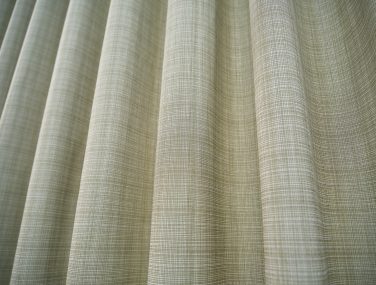
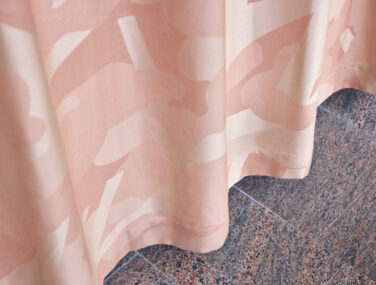
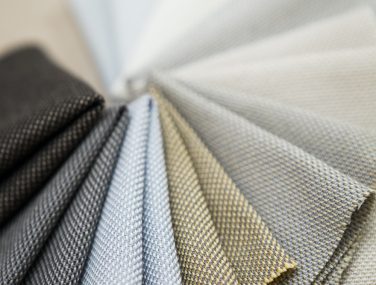
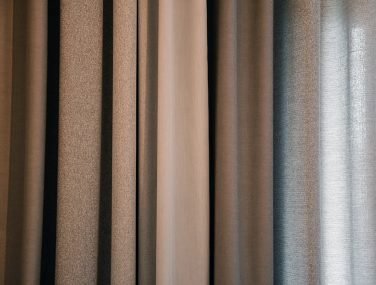
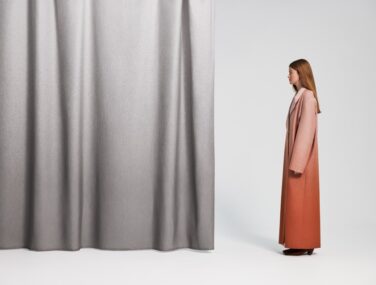
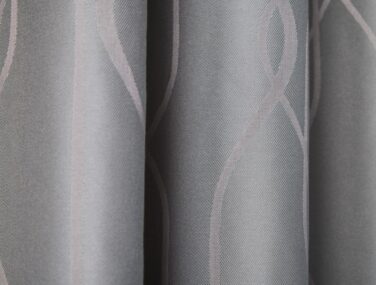
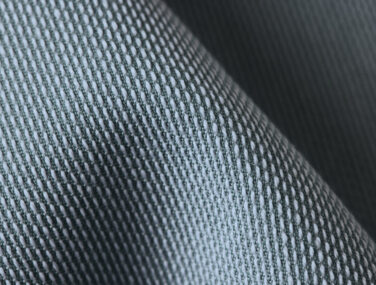
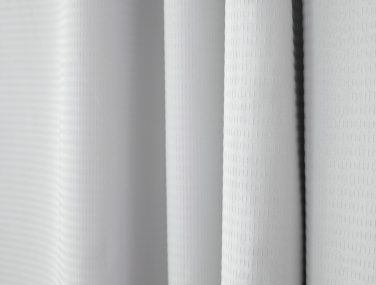
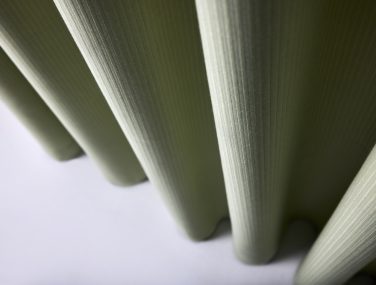
Acoustic textiles add both function and visual harmony to interior spaces. Svensson fabrics have been designed with sound in mind.
Sound Classes
A product's ability to absorb sound determines its sound absorption coefficient. This could be anywhere from 0.0 which means non-existent absorption to 1.0 which is total absorption. The result itself is called the alpha value and is abbreviated to ‘a’. The alpha value in turn determines which absorption class a product belongs to. If the product has aw 0.9, it absorbs 90% of the sound and belongs to class A. If the alpha value is below 0.15, it absorbs too little to be soundproof-classed at all. In between are the classifications B, C, D, and E.
Acoustic Textiles
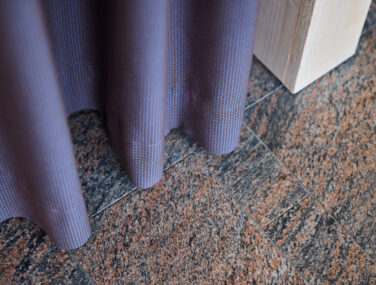
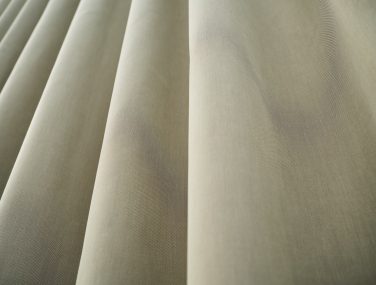
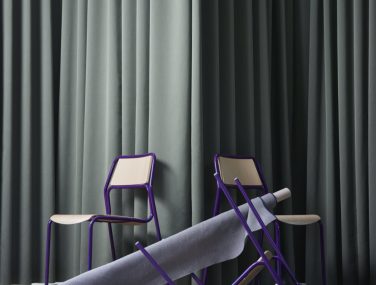
Textiles are the perfect material for complementing other acoustic solutions. Especially curtains that are developed for sound absorption. Compared to other sound absorbers, they are more cost effective, flexible, and stylish too. They also perform the same functions as regular curtains. They become a part of your interior design which can screen off areas, regulate light, and create spaces in the room.
Like other sound absorbers, acoustic textiles are most effective against relatively high-frequency tones. In a workplace, for example, it could be about ventilation systems, electrical buzzing sounds, not forgetting disturbing chatter. Since conversations and especially mobile calls are some of the most disturbing things that can happen in the workplace. Our brains are programmed to find and understand a common thread. Given that we usually only hear one person on a mobile call, this makes it difficult to concentrate on anything else.
Why good acoustics are important
Good air, good light, and good ergonomics have long been standard features of workplaces, and rightly so. But good sound conditions are also important, because noise can affect us in a very negative way. It can damage our hearing even at low noise levels if it continues for a long time. And even if the noise pollution isn’t directly damaging, it can affect us indirectly in many ways. A noisy environment with long reverberation causes unnecessary stress, which in turn can lead to both physical and mental problems. Noise makes it more difficult to have a normal conversation. It makes us raise our voices, which leads to higher noise levels. Noise also affects our attention. We have a harder time concentrating, which negatively affects the work we do.
Studies show that long reverberation is the single largest factor leading to discontent and poorer health. The survey focused on teachers and shows that people who work in rooms with a long reverberation are six times more likely to look for a new job. They are less motivated and more fatigued. In addition, they experience the climate in classrooms as less relaxed and more aggressive.
With sound-absorbing textiles you reduce reverberation, which means the brain doesn’t need to process as many irritating noises that have no informative value. This gives us a greater capacity for remembering, solving problems, and managing useful information. In other words, good acoustics are a good investment - both in terms of health and from a purely business perspective.