
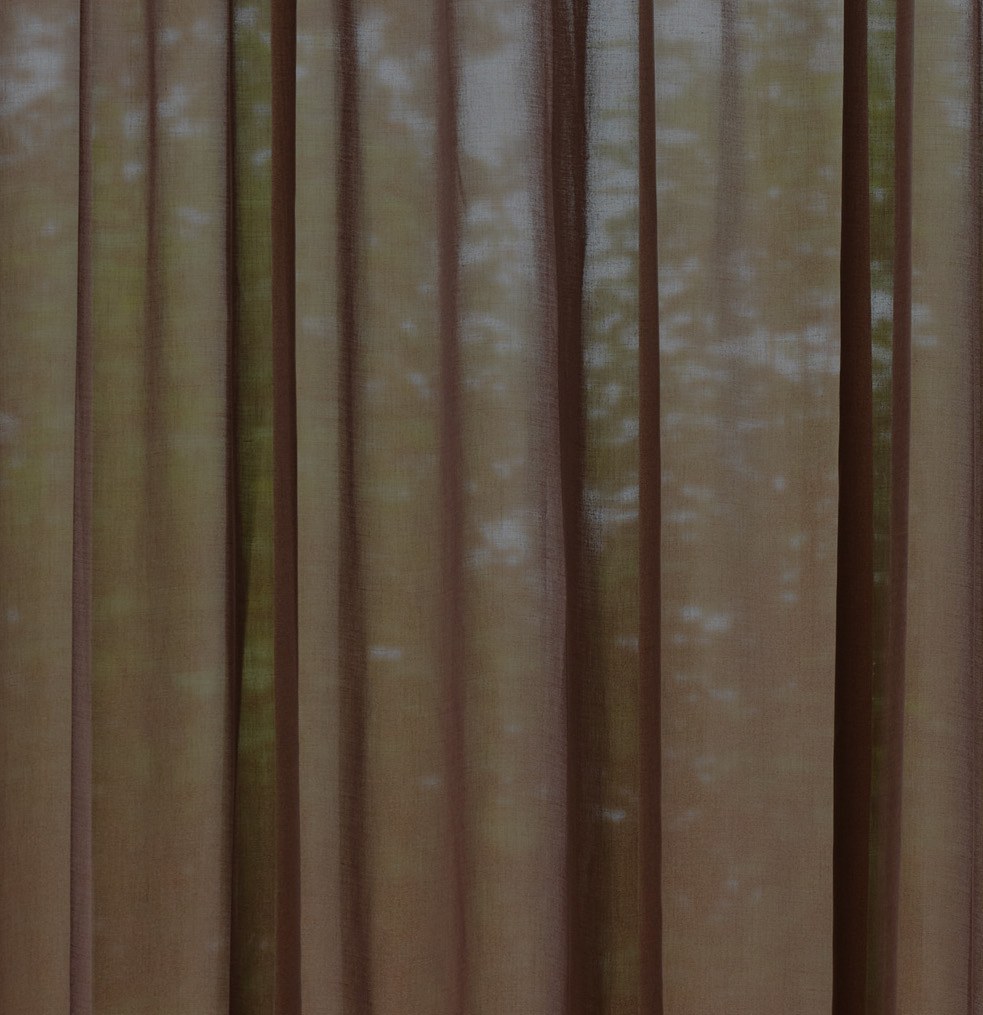
Inherent flame retardancy · Trevira CS
Spun in, not dipped.
Trevira CS. A fibre forty-five years in commercial interiors, and almost no one writes its name.
Trevira CS is a fibre. You have specified it — through Svensson, Gabriel, Kvadrat, JAB, Création Baumann, Romo — and the label never said so.
What separates it is where the fire protection sits. Not a coating. Not a finish applied once the cloth is woven. A flame-retardant compound built into the polyester molecule itself, before the yarn exists.
Nothing sits on the surface to wear off. Nothing needs reapplying in year five.
The protection isn’t on the fabric. It is the fabric.
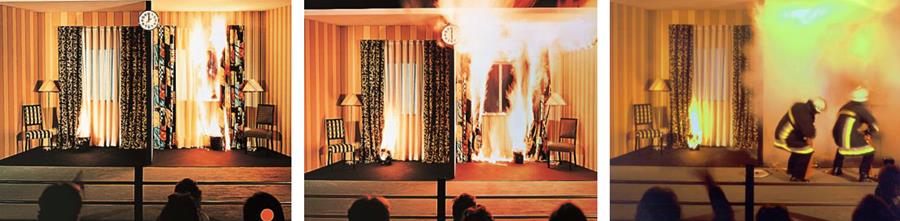
Trevira comparative burn test
Two rooms, two curtains. One of them is still a room.
Two identical rooms. Same furniture, same curtains, one difference in the fibre. One ignition source, one camera.
Thirty seconds in, both are alight.
At seventy-five the conventional room is fully involved, floor to ceiling. The Trevira CS curtain is melting slowly where the flame touched it, and going out.
At a hundred and fifty there are firefighters in the doorway.
Trevira has run this demonstration for decades. The early films were shot with an audience seated a few feet from both rooms.
Seventy-five seconds.
No one is selling anything in that footage.
On · Oceania office and showroom
The design team was in Switzerland. The curtains had to happen here.
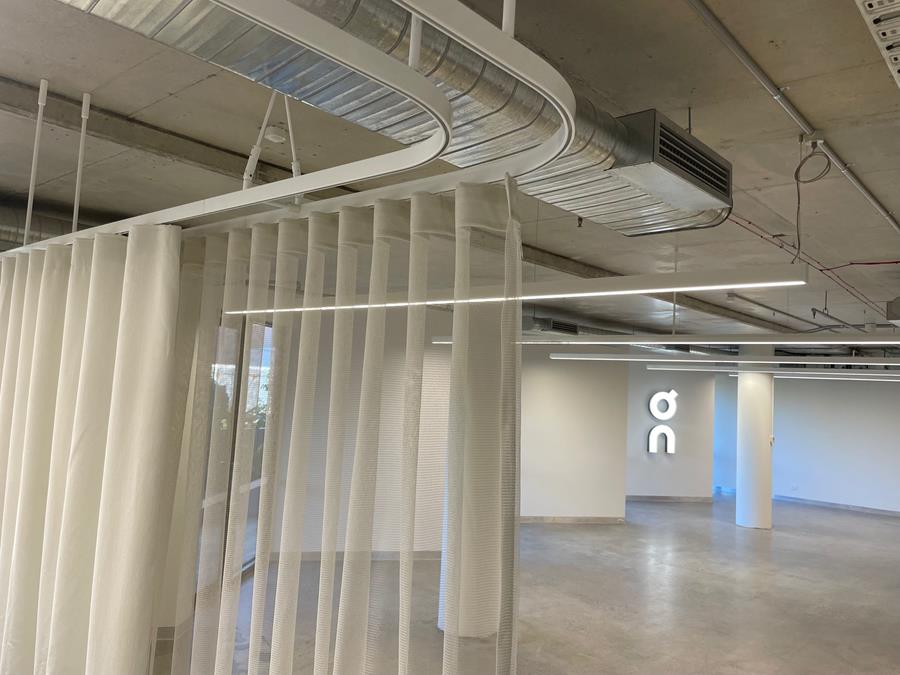
On came to us with a problem, not a specification. Their Oceania office and showroom needed the product space held apart from the working office — and they needed someone to make it and hang it.
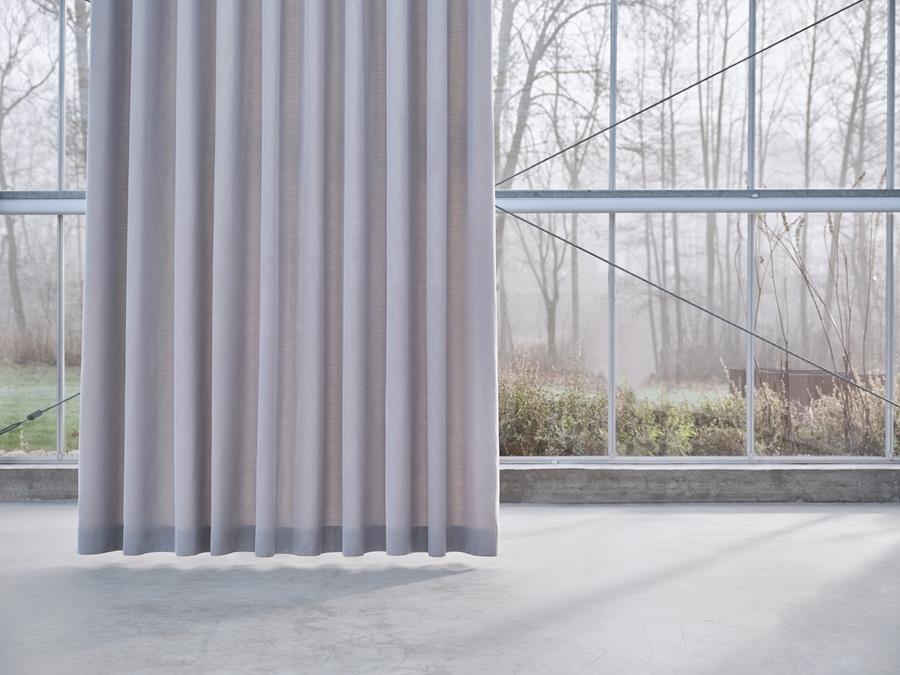
No wall went up. Svensson curtains did the work, run as dividers that close and open the plan as the day asks.
We took it on and delivered the project: fabric, curtain make, tracks and installation, supported by Reilly and Associates. One contract, start to finish, for a design team on the other side of the world.
Brief from Switzerland.
Cloth from Sweden. Delivered here.
Architecture you can draw back and an office that won’t flame out!
The mills compete on beauty. Not on performance.
Every year the mills working in this fibre enter their best cloth against each other. Five categories — colour and style, comfort and touch, light and darkness, heavy duty, timeless allrounders.
Recent winners: an exquisite wild silk look. Finest chenille with a Chanel effect. Linen damask with a silky sheen. Wool bouclé. A crushed paper texture. A gauze like coloured glass.
Every one of them flame retardant.
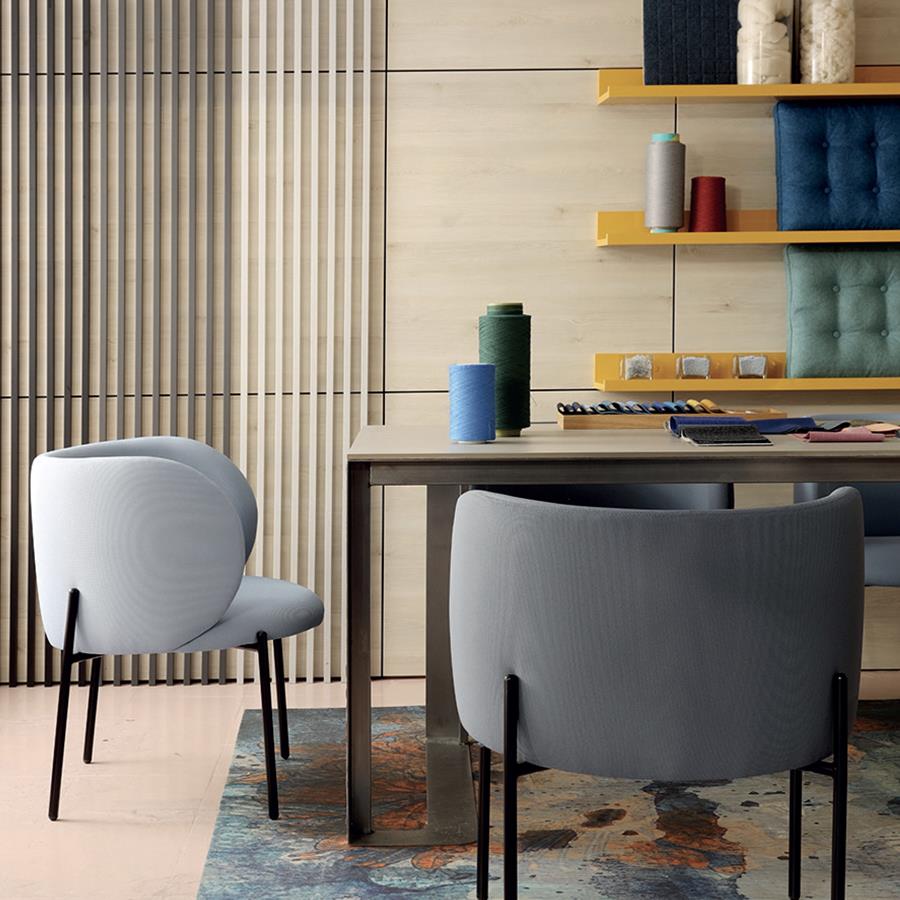
Svensson and Gabriel weave the same fibre. Svensson at the window, Gabriel on the chair.
In appearance it is frequently impossible to distinguish them from textiles made from natural fibres.
— TREVIRA

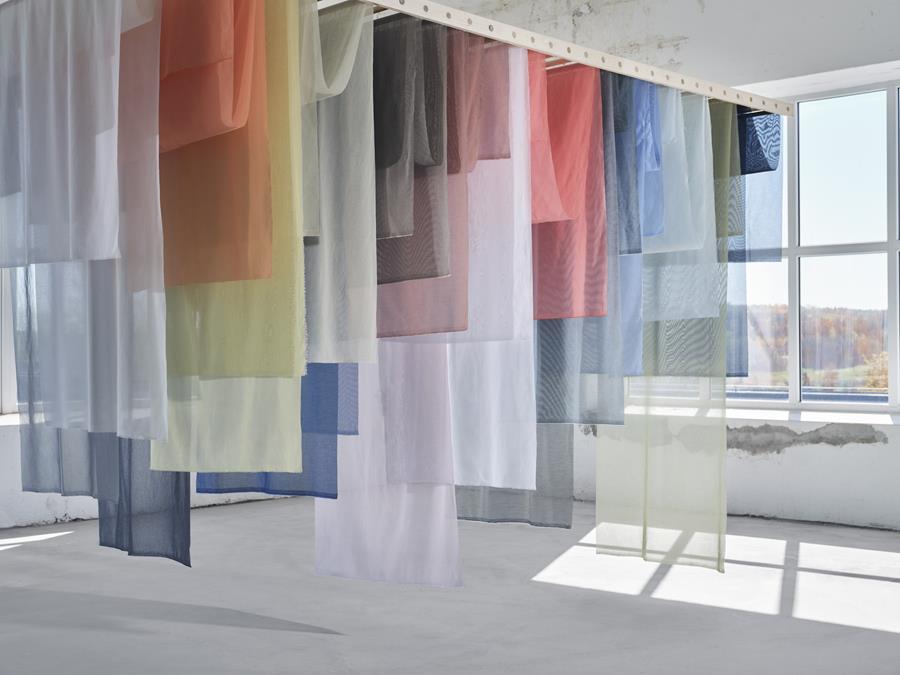
Svensson weaves it. This is what it looks like.
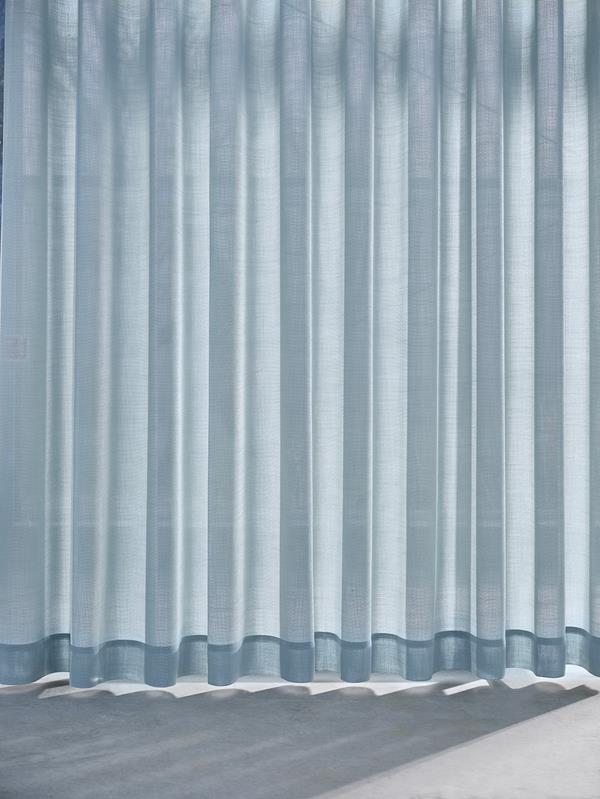
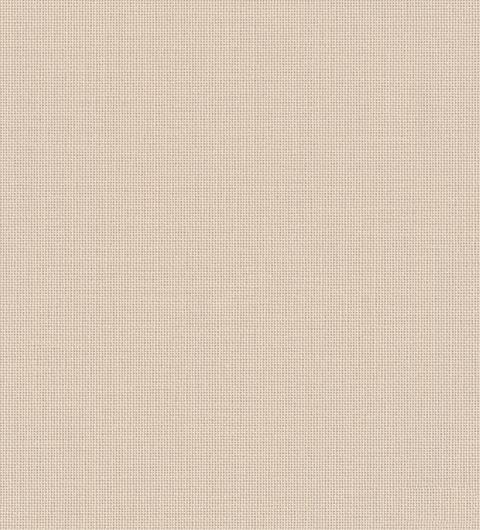
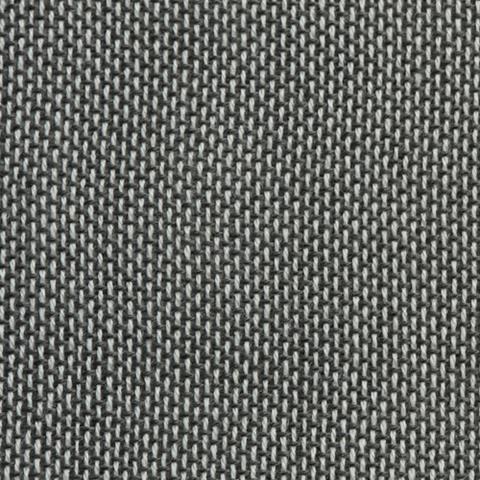
Sand
New this spring. A slub yarn — the deliberate irregularity you’d expect from linen or raw silk, spun here in flame-retardant polyester. Natural sheen, soft texture, fifteen colours drawn from mineral pigment.
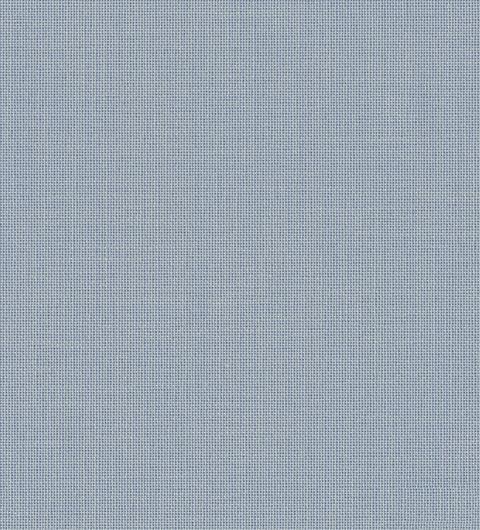
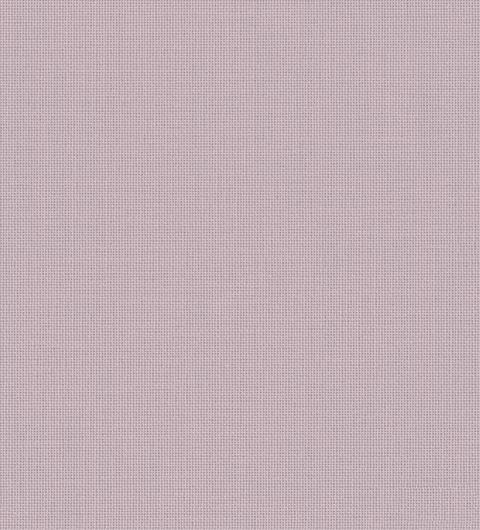
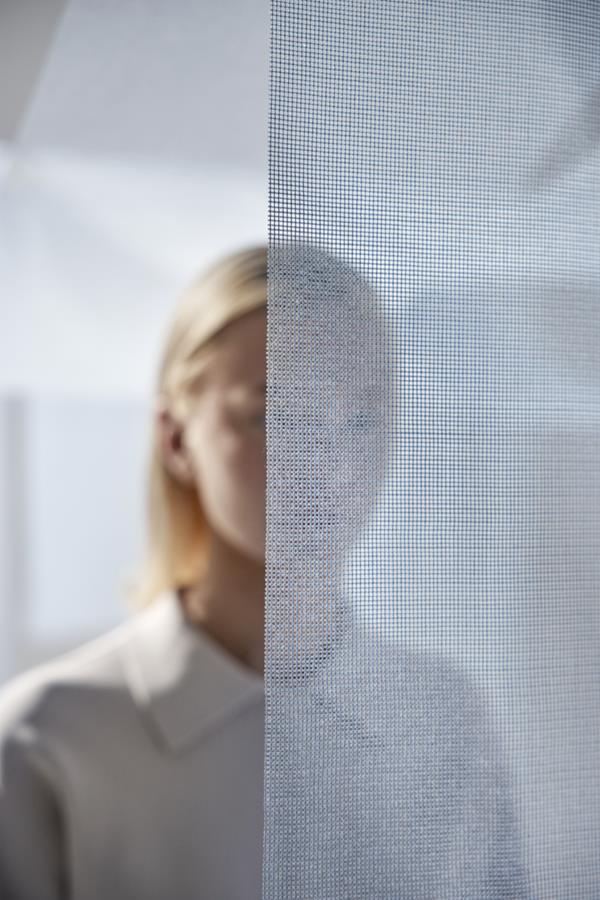
Salt
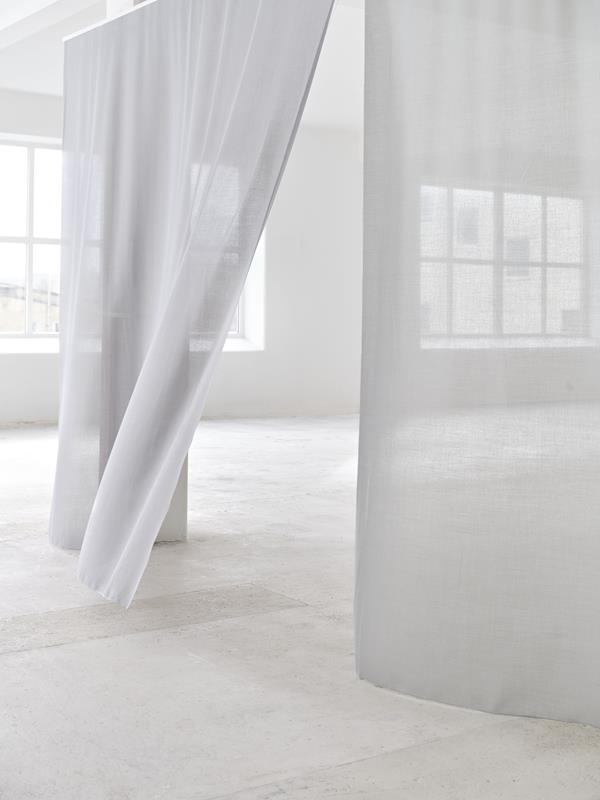
Semi-transparent at 190 grams, thirty colours deep. Light fastness of 5 and better on an eight-point scale, which matters on a north-facing wall in this country.
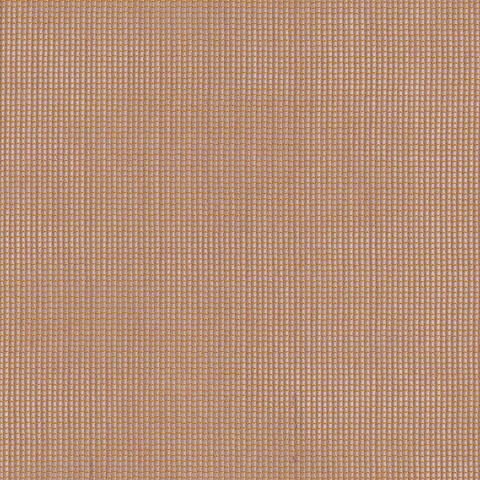
Airy
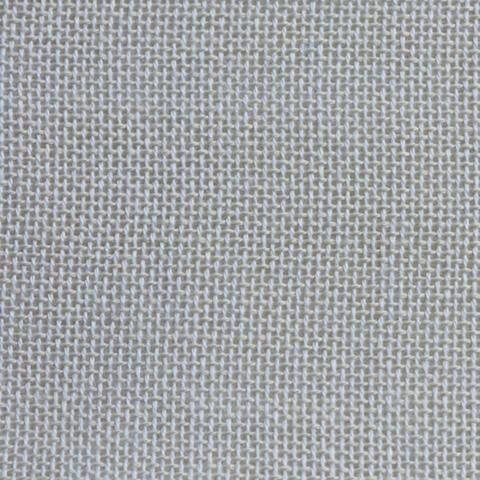
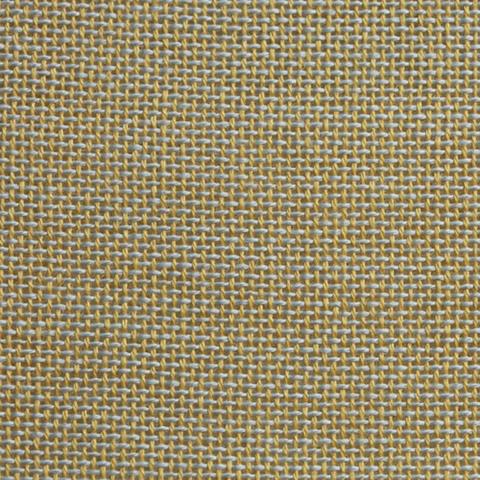
Transparent at 115 grams, three metres wide. Coat a sheer this light and you lose the drape that made it worth specifying. A cloth this open has to get its fire rating from the fibre.


Thirty-two qualities. Eighty-five grams to three hundred and sixty. One fibre.
Three ways a curtain gets a fire rating and ours are inherent.
Dipped
The woven cloth goes through a chemical bath and the finish is absorbed. Works best on cotton and viscose. Every wash takes some of it away.
Back-coated
Flame retardant applied to the reverse in a binder. Leaves the face alone, stiffens the drape. Suits upholstery better than curtains.
Inherent
Built into the polymer before the yarn is spun. Nothing to wash out.
The first two are consumable. Industry guidance in New Zealand puts a treated curtain’s certification at around five years — after which it comes down, gets cleaned, and gets treated again.
Good to know
Tested for Australia and New Zealand?
Yes. AS/NZS 1530.2 and 1530.3, at AWTA in Melbourne. The same fibre holds M1 in France, B1 in Germany, BS 5867 Type B in Britain, NFPA 701 in the States, EN 13773 Class 1 across Europe, IMO at sea.
Will it survive commercial laundering?
That is precisely what BS 5867 Part 2 Type B measures — twelve washes at 75 degrees, then test it again. Svensson’s curtain range carries it. A treated fabric can pass that test too, with a finish that is slowly being used up.
And the environmental question?
The low-chemistry route. No treatment bath, no back-coating, nothing to reapply for the life of the building. Recycled Trevira CS is already in the range, in Cedar RE. EU Ecolabel, EPD, woven in Sweden, ten-year warranty.
Where do we get it?
Hume is the only licensed source for Svensson in Australia and New Zealand. Samples in tip-card and A4.
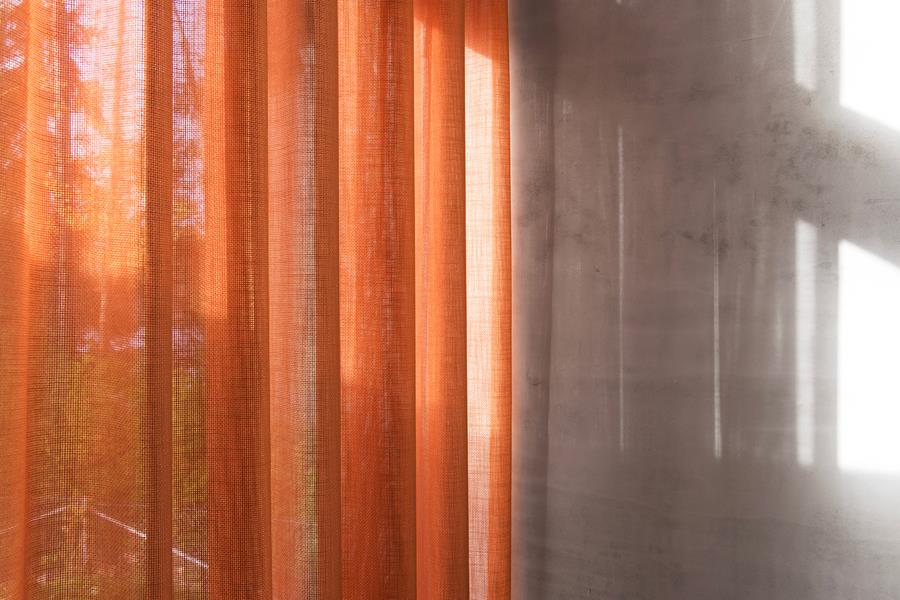
Do you have a window that has to perform?
From the blog
Forty-five years, and it opens with a mistake
The trademark was registered in 1932 by a plant director who believed his town’s Roman name was Trier. It wasn’t. Everything after that was deliberate — eight years of development, one path abandoned, and a molecule unchanged since 1975.
A fire rating isn’t a coat of anything.
Specify the fibre.
Next Issue
Same fibre, sat on rather than hung. On put Gabriel Soul Melange in the meeting rooms, and upholstery asks the fibre for something a curtain never does.